
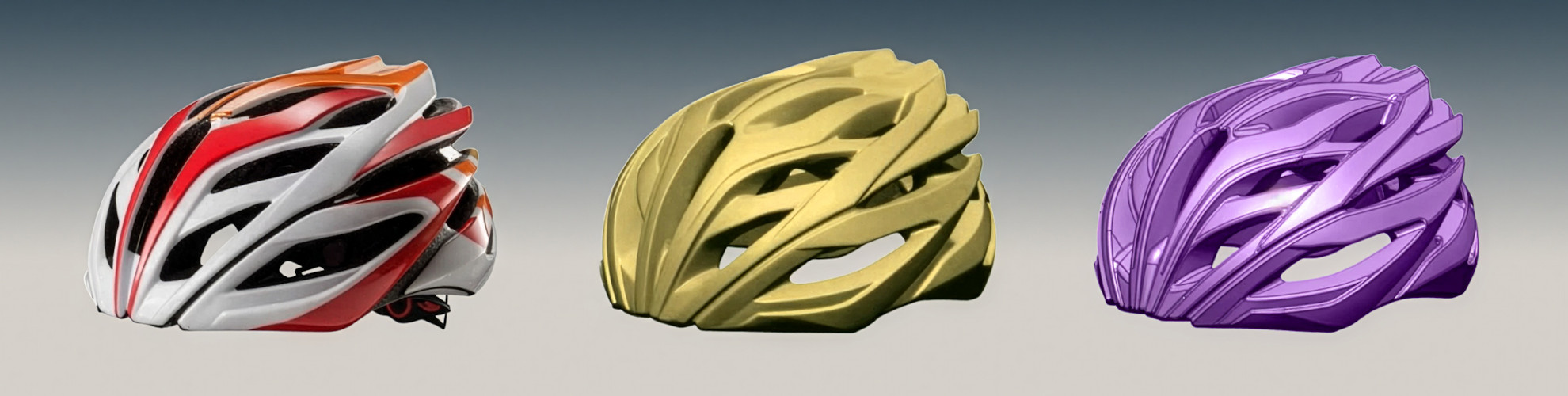
Reverse Engineering Service
Our Reverse Engineering Service can convert any physical object into a digital version ready for any purpose you may have.
Reverse engineering (also called scan-to-CAD) is the process of taking an existing physical object and creating a digital 3D model from it.
Essentially working backwards from the finished product to recover or recreate its original design.
Instead of starting with sketches and designing up to a physical part (normal "forward" engineering), you start with the physical part and digitally reconstruct it.
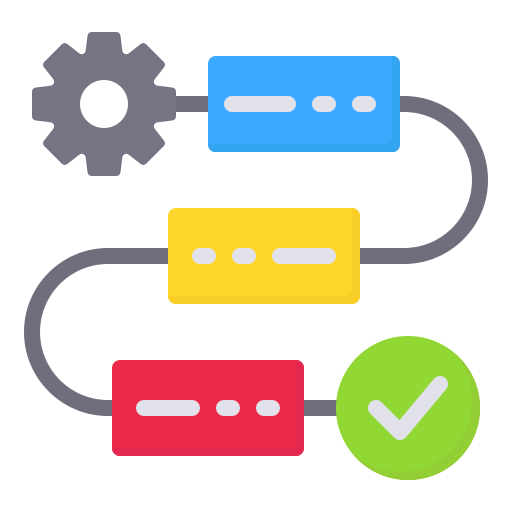
Traditional design flow
Idea → Sketch → 3D CAD model → Manufacturing → Physical part
Reverse engineering flow
Physical part → Digital capture → 3D CAD model → (optional) Modify / Improve → New manufacturing
How our Reverse Engineering Service works

Capture the shape
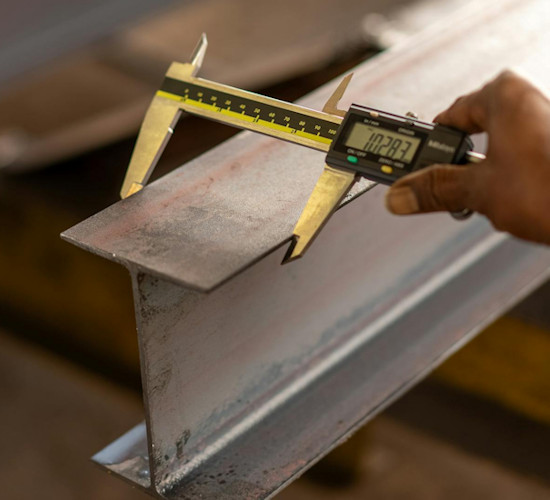
For simpler shapes, manual measuring tools like rulers & calipers can be used to measure the dimensions and shape of a physical part. Those measurements can then be used to draw up the part digitally with CAD software.
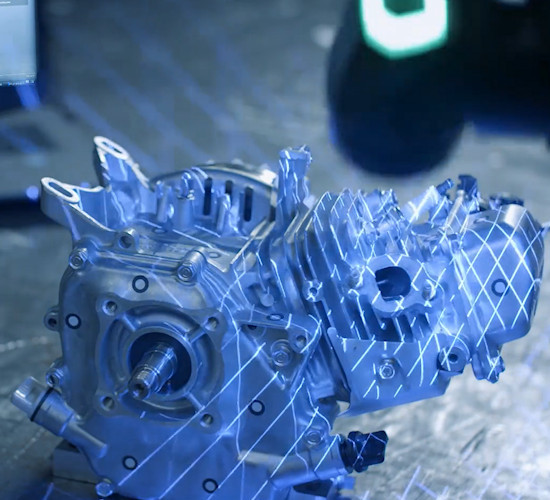
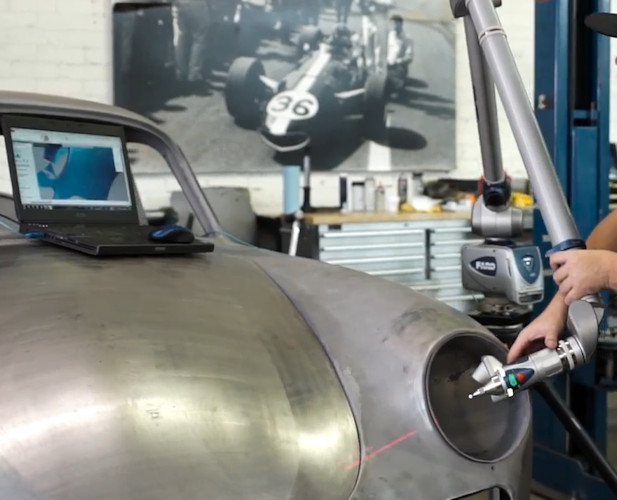
For more complex shapes and higher precision, contact-based probes and 3D Scanners are used to capture the dimensions and shape of a physical part. Those recorded points in space (sometimes millions) can then be used to draw up the part digitally with CAD software.
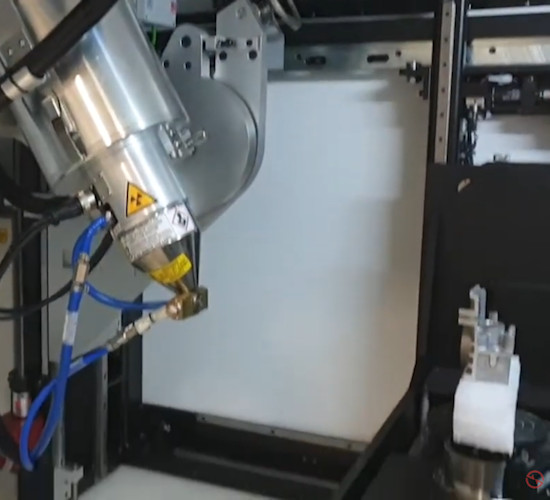
For the internal geometry of parts that can't be seen or reached, x-rays from CT Scanners are used to capture the internal structure of a physical part.

Model the data
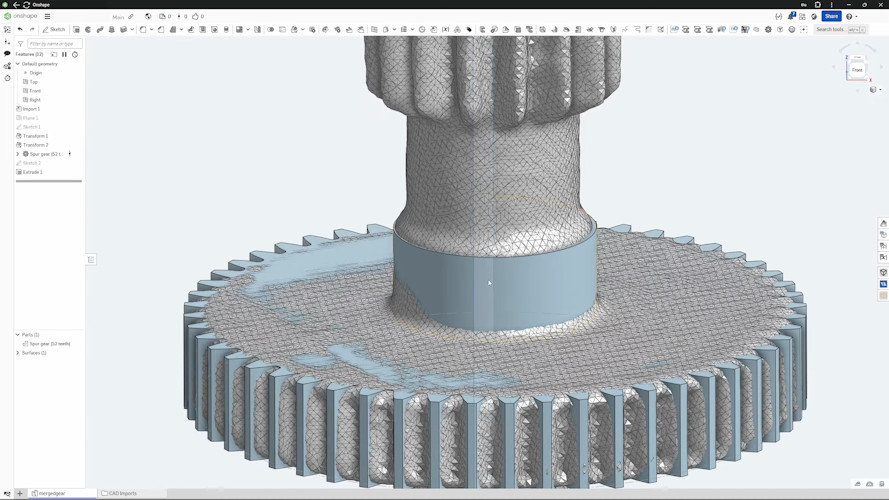
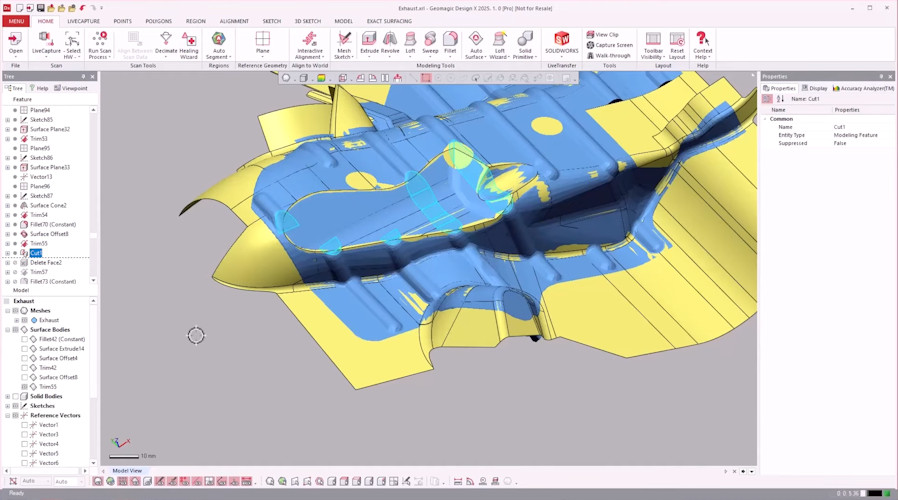
The captured dimensions and point data are imported into CAD software and prepared for 3D modelling. The part is drawn up in 3D as per normal, but now each and every surface, edge, point, dimension, etc, is drawn to match the imported data as closely as possible.
This results in a newly drawn part that matches the originally captured parts almost exactly. And with the micron accuracy of current scanning equipment, there can sometimes be almost no measurable difference between the two.

Edit and Manufacture
The newly created 3D file of the physical part can be used to change/improve the design, and then physically manufacture it with 3D Printing, Vacuum Casting, CNC or any other method required.

How our Reverse Engineering Service can help you?
Duplicate an old part
If you have an object that you would like to recreate / duplicate, but the original drawing or file no longer exists.
The object's shape would have to be captured using one of the methods mentioned previously. And then that data would be used to draw up the needed 3D file from it for fabrication.
Examples include automotive or machine parts that are no longer manufactured.
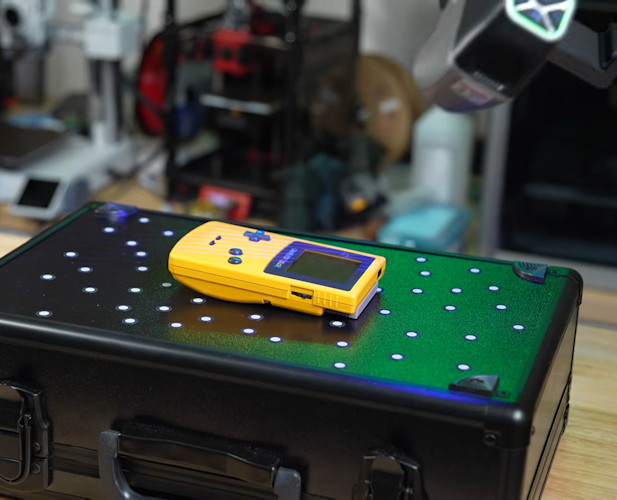
Product Modification
For physical parts which you would like to modify / change, but it is not possible to obtain the 3D file from the original manufacturer.
Here too, the object's shape would have to be captured using one of the methods mentioned previously. Then that data would be used to draw up the needed 3D file from it, which can then be edited as desired and manufactured.
Examples include product modifications to improve the function of a purchased appliance.
Product Modification
For physical parts which you would like to modify / change, but it is not possible to obtain the 3D file from the original manufacturer.
Here too, the object's shape would have to be captured using one of the methods mentioned previously. Then that data would be used to draw up the needed 3D file from it, which can then be edited as desired and manufactured.
Examples include product modifications to improve the function of a purchased appliance.
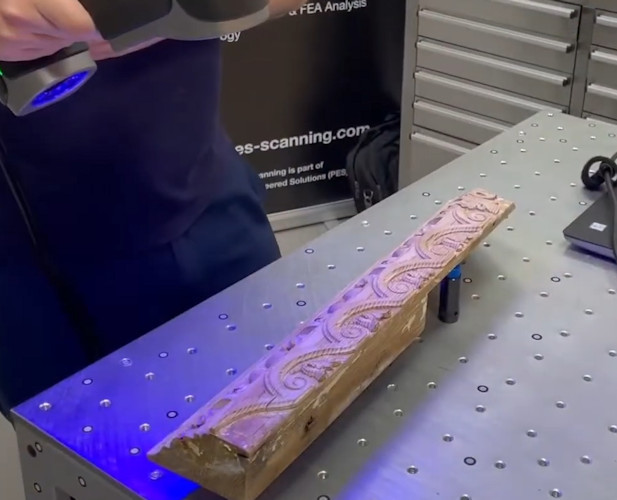
Manually made Parts
Often, parts are made or modified with manual manufacturing methods like hand tools. Sometimes without even 2D drawings.
Once the object's shape has been captured using one of the methods mentioned previously, that data would be used to draw up the needed 3D file from it, which can then be used to duplicate the part with automatic manufacturing methods.
Examples include wood carvings or clay sculptures that need to be reproduced with a 3D Printer or CNC.