
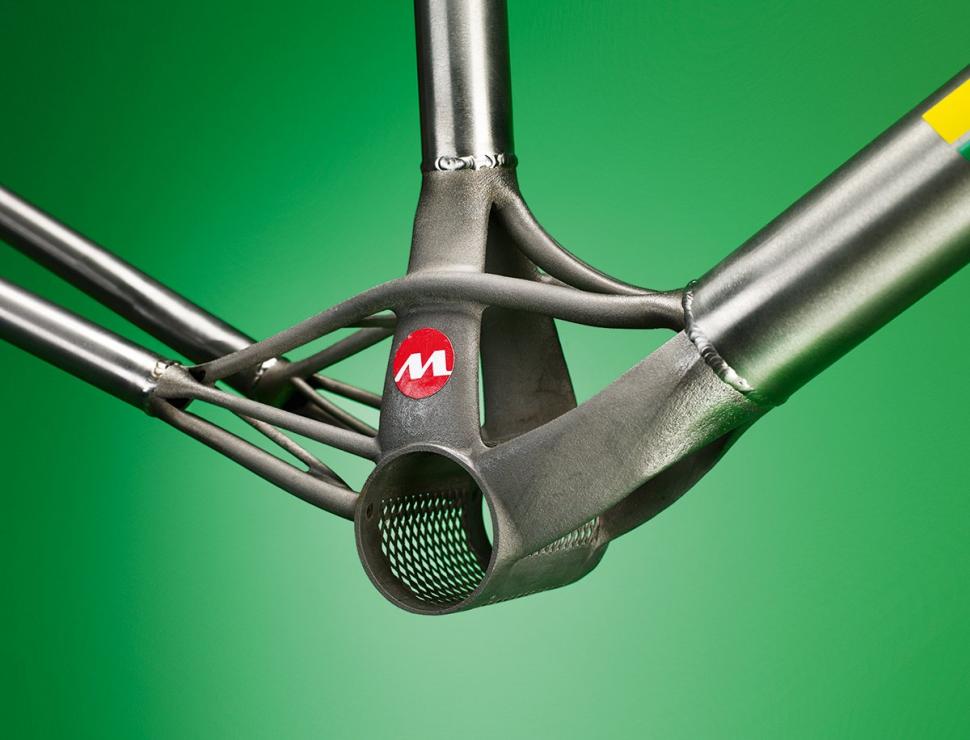
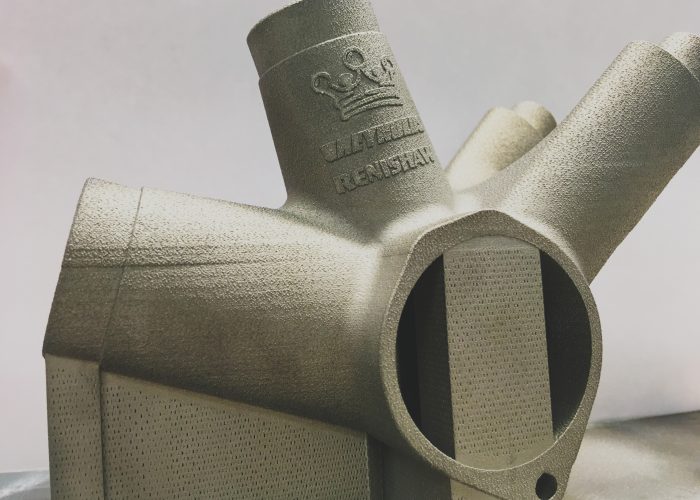
One of the biggest advantages is customization. Brands like Superstrata produce fully 3D-printed carbon fiber frames tailored to a rider’s exact measurements, improving fit, comfort, and performance. Similarly, companies such as Atherton Bikes and Moots use 3D-printed titanium lugs and dropouts bonded to carbon tubes, offering bespoke geometries for elite athletes.
road.ccreynoldstechnology.biz
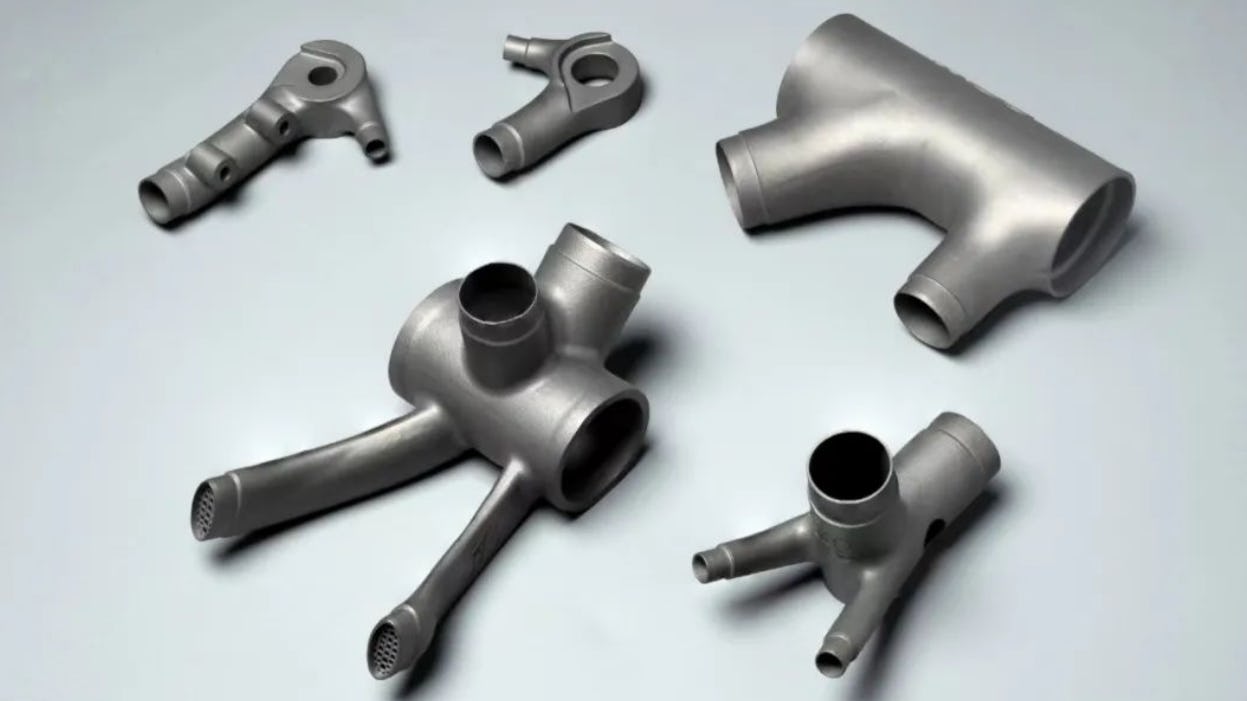
Lightweight and strong components are another key benefit. Titanium parts, printed via metal additive manufacturing, reduce weight significantly—Pinarello’s Bolide F HR 3D helped set hour records with its optimized frame. Mythos introduced the world’s first commercial 3D-printed stem, while Fizik and Carbon collaborate on custom saddles with lattice structures for better pressure distribution.
bike-eu.compinkbike.com
Prototyping has accelerated development. Canyon uses large-format printers for full-scale mountain bike frames, enabling quick iterations with topology optimization for efficiency and sustainability. Urwahn and Hanglun integrate 3D-printed parts for integrated designs, reducing turbulence and enhancing aerodynamics.
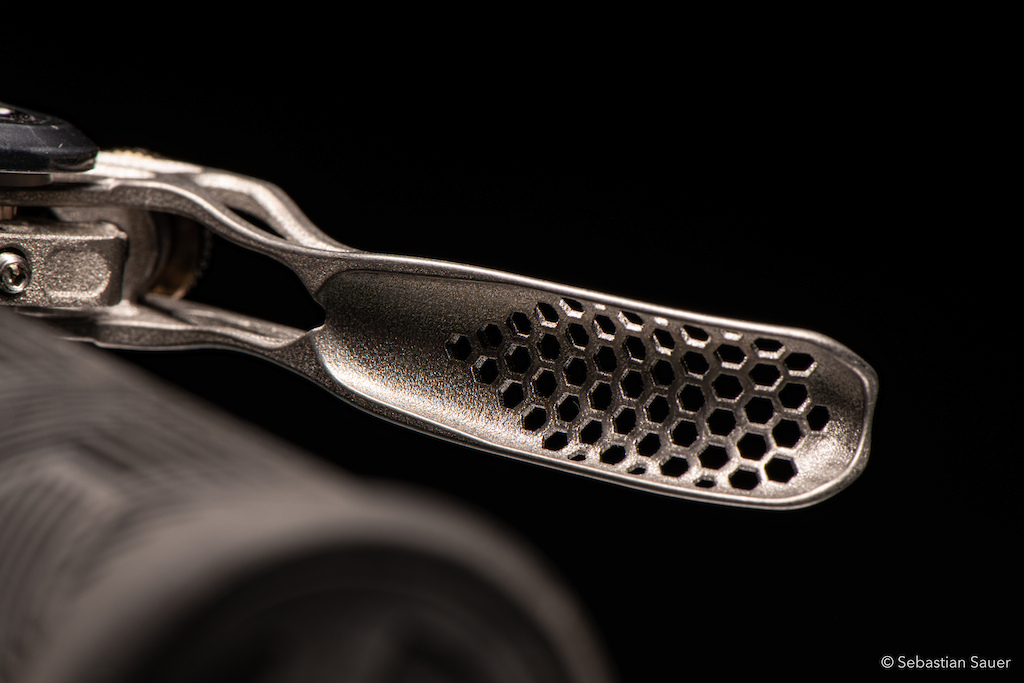
Even accessories benefit: KAV‘s 3D-printed helmets and various custom grips or protectors show versatility. As costs drop and materials advance, from titanium to recycled composites, 3D printing promises more accessible, personalized, and eco-friendly bikes.
3dprintingindustry.comrenishaw.com
In 2025, 3D printing isn’t just a novelty—it’s driving real-world performance gains, making cycling faster, more comfortable, and innovative than ever.